
#OnceAMonkey - Marilyn Nnadebe, star of African Queens: Njinga
From performing on radio and on stage to TV work and devising original new work, our alumni actors and artists can be found working across a wide variety of creative mediums, and we love seeing how they evolve as performers and creatives as they navigate the creative arts industry.
Here, we chat to Fourth Monkey audition panelist and alumna Marilyn Nnadebe about her experiences of working as a performer across stage, screen and audio projects, including new Netflix series African Queens: Njinga, which launched in February 2023, plus her advice for anyone thinking about applying to audition for Fourth Monkey…
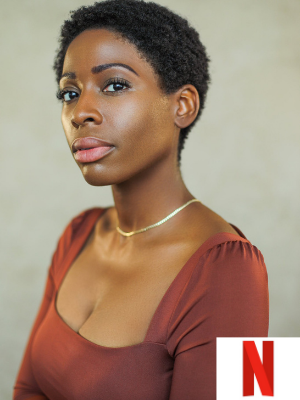
Firstly, introduce yourself! Tell us your name, what you studied at Fourth Monkey plus a little about your background.
Hi, I’m Marilyn Nnadebe. I’m an actor, maker, and facilitator, and I studied on Fourth Monkey’s Two Year Rep course between 2015 and 2017, which is now equivalent to the BA (Hons) Acting accelerated degree.
What appealed to you about Fourth Monkey and their approach to actor training?
Fourth Monkey stood out to me because they demonstrated their interest in the individual whilst also focusing on ensemble mentality and repertory work. It felt like they were very forward-thinking with their castings and their desire to welcome diversity long before it became popular. They cared about not turning talent away just because of financial means, offering a lifeline in the way of The Stage Scholarships, and I’m pleased that there are even more great scholarships on offer today.
Plus, instead of having to wait until the very end of my training to perform in Showcases, I was able to be part of showcases and performance seasons throughout my training, which was essential for me as I find I learn and grow better this way. I also appreciated being encouraged to accept my first professional job towards the end of my training and was really supported by the Fourth Monkey community – a job that had me grace the stage with the likes of Emma D’Arcy (House of the Dragon).
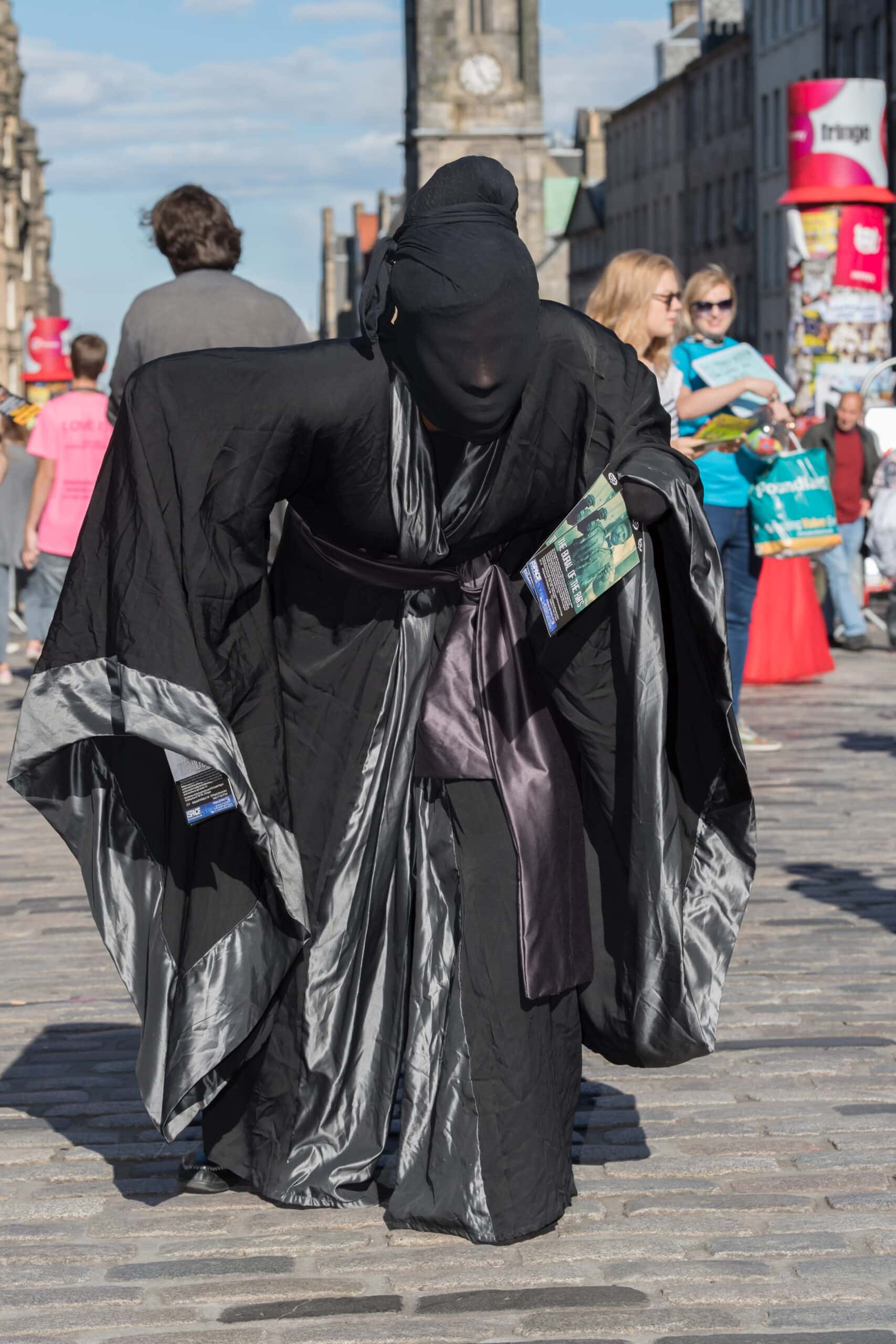
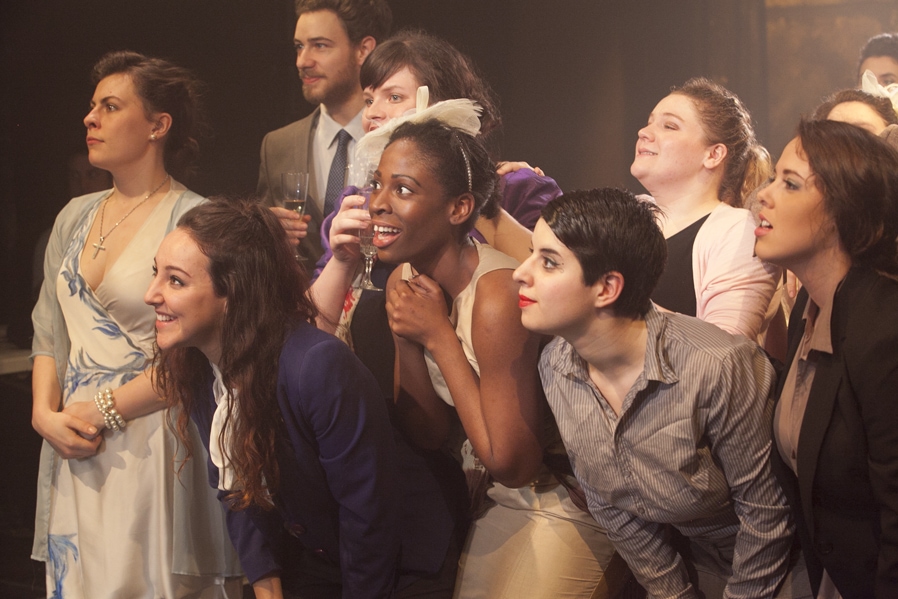
Since graduating from Fourth Monkey in 2017, you have worked as an actor on a wide variety of projects on stage, screen, and radio – tell us about how working across different creative mediums has helped you evolve and explore new skills.
Theatre really enhanced my bravery and ability to manage adrenaline, as you have to think on the spot when faced with challenges live onstage. I have performed on stage in an open theatre during a thunderstorm, I have had to go onstage with a script in hand last-minute and been an understudy that has taken to the stage without rehearsals. I’ve also seen the sheer panic in a scene partner’s eyes when the lines have just vanished from memory and there’s only two of us on stage, but, as they say, “it’ll be alright on the night“. Still, it can be both terrifying and exhilarating having to engage with a live audience. In the past, I have initially found myself daunted by the sheer amount of text to learn but, somehow, it has always been achievable. Theatre left me with a sense of capability – if I can get through “this”, I can get through anything.
Thanks to screen work, I’ve become more front-footed across the different mediums. Time really is money when it comes to TV and films; things usually move quickly on set which leaves you with no time to second guess yourself. You have booked the job from your audition(s) because the creative team and casting department fundamentally liked what they saw, so it’s best to present them with that same offer on set as a starting point, unless told otherwise.
It is also potentially easier to capture something truthful on TV because you’re responding to people and situations that are fresh and not repeatedly rehearsed – I’ve learnt over time just how important and expressive the eyes are in this art form. For me, the saying “the eyes are the window to the soul” rings true, which can help when deciding what audition tape to submit for certain jobs or roles. As a result, I’ve been enjoying self-taping a lot more recently, refusing to find it stressful even when a quick turnaround is required. Now, it’s all about making it into a game and using whatever hacks are necessary to essentially create a stripped-down short film. I think there’s a strong correlation between the self-tapes you enjoy making and the jobs you book.
Finally, I’ve really been a fan and promoter of audio work ever since I was exposed to it. It’s an avenue a lot of creatives didn’t appreciate or know much about before 2020 but that has shot up in popularity recently. It gives you a chance to hone your craft by focusing on the voice and breath and different microphone techniques. You are limitless with audio; you can play whatever role your voice can deliver, regardless of your appearance, ethnicity / race, age, etc. There is a real freedom in that – you’re not being boxed in or typecast in the way you sometimes can be with theatre and screen. It’s also a fast track into working and learning from some big players in the industry (directors and writers as well as actors). I’ve had the privilege of portraying a West End director to Bill Nighy in Charles Paris: A Deadly Habit, a psychiatrist to Juliet Stevenson and Deborah Findlay in a three hander, Elegy, and a lover to Sacha Dhawan in The Woodlanders to name but a few for BBC Radio. I’ve also fled many a zombie and dragon for Six to Start!
Is there anything you have found particularly surprising, challenging, or inspiring about the differences between working on stage and on screen?
Screen work is often filmed out of sync with little to no rehearsal time, whilst theatre allows you to have a journey developing your character during the rehearsal stages and even with every performance.
With theatre, it’s your responsibility to ensure that you “find your light” (Steve Green, Fourth Monkey’s Artistic Director) but with screen there is less need to do so because the directors and lighting team will figure that out for you.
You get an instant response from the audience to the work with theatre, however, with screen, you often wrap and go back to living your life for months before you get so much as an image or clip from production. You move on and then you’re suddenly hit with the reactions from viewers once the project has been released – there’s a second wave of your achievement, so to speak. In screen work, editors are your best friend because they have the power to make you look good with every take they piece together. You’re seeing their end result at the same time as the viewers, whereas with theatre, you know what the story should look like from beginning to end before the audience does.
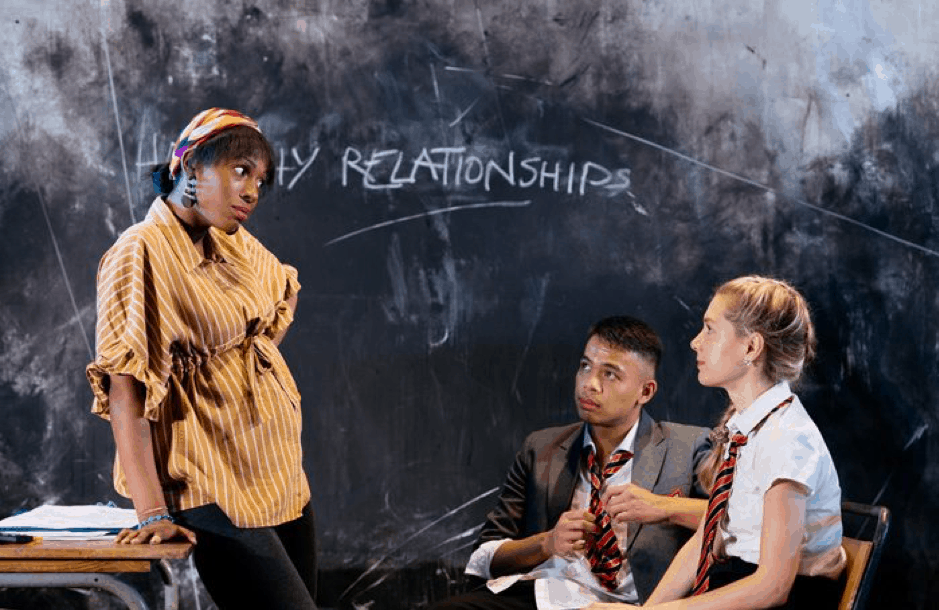
(Image – NYT Rep rehearsals)
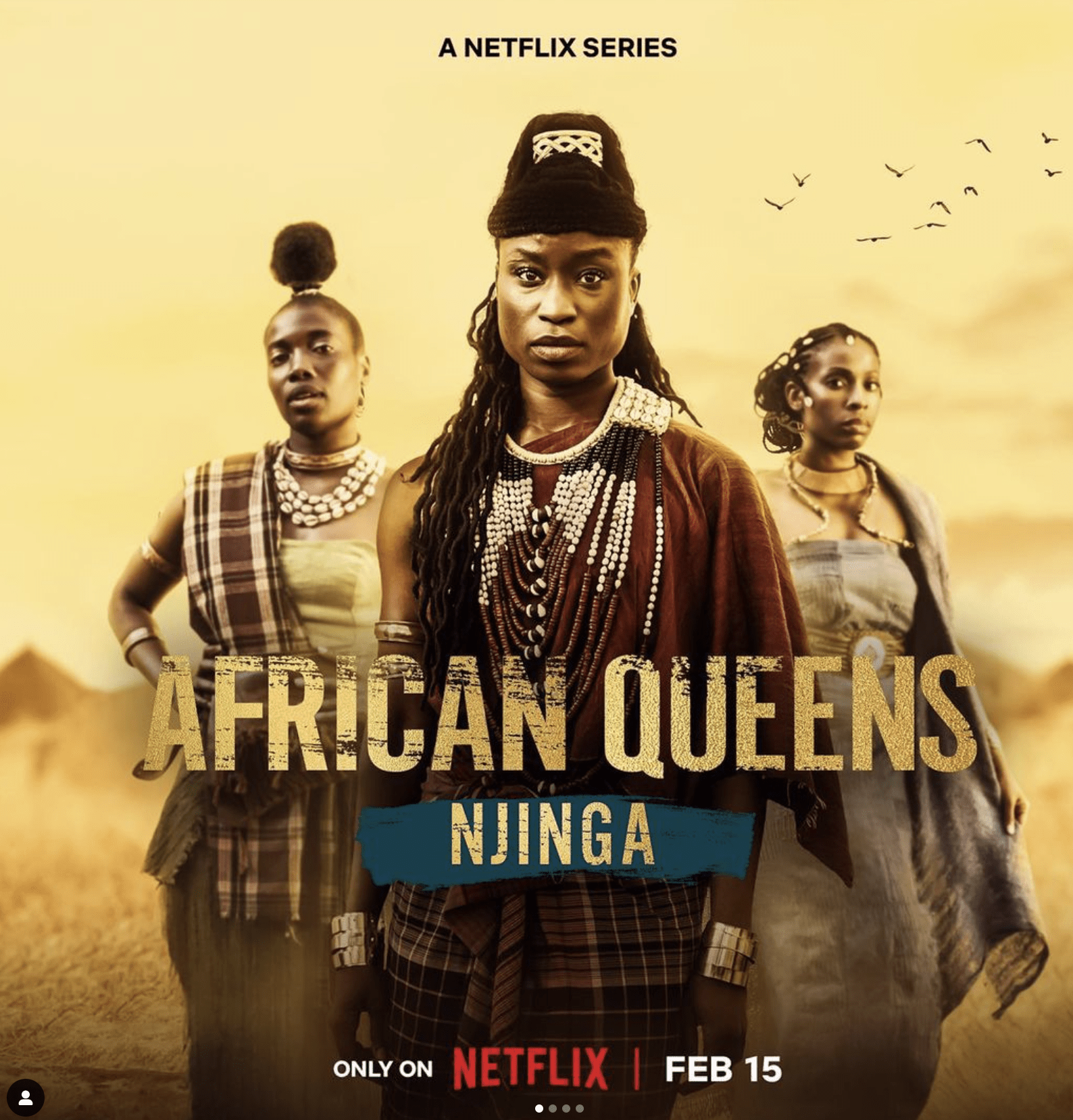
You feature as a leading role in African Queens: Njinga, a major new Netflix docuseries executive produced by Jada Pinket-Smith – tell us a little about this series and your role within it.
The series explores the world of prominent, formidable, and iconic African Queens, through dramatisation alongside the testimony of historians. This first season looks at Njinga, the complex, captivating, and fearless 17th-century warrior queen of Ndongo and Matamba, in modern day Angola. The nation’s first female ruler, Njinga, earned a reputation for her blend of political and diplomatic skill with military prowess and became a symbol of resistance. We trace her rise and reign amid family betrayal and political rivalries.
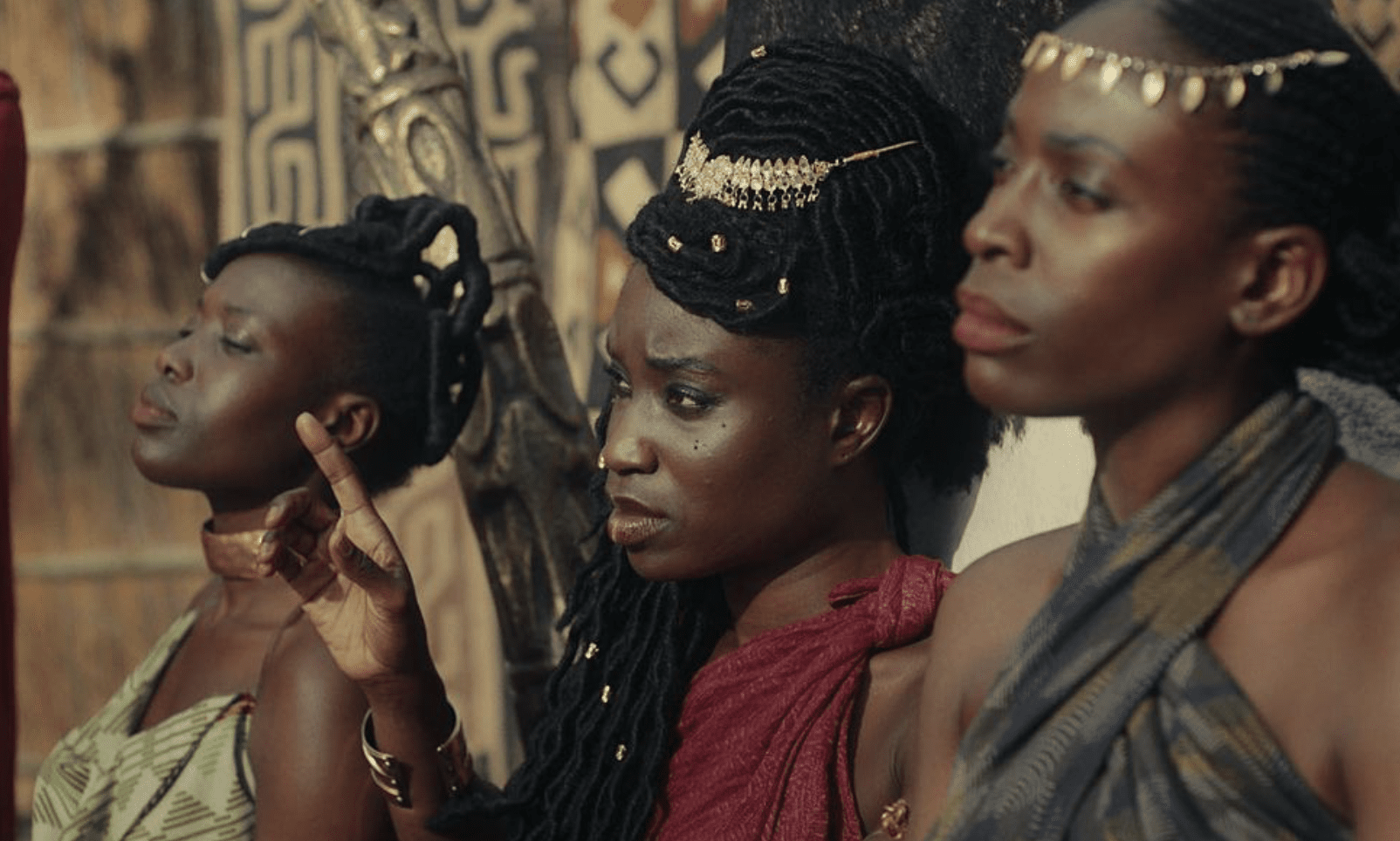
I play Njinga’s youngest sister, Funji, a woman that history had seemingly forgotten but who was instrumental to Njinga’s success.
(Image credit – Netflix)
What excited and appealed to you about working on African Queens: Njinga, and what you discovered about yourself as an actor and a creative whilst working on this project?
“There are so many stories to be told in regard to the Black experience globally. Stories that have been forgotten, as well as the stories that are part of our everyday lives and what a gift that is.” – Jada Pinket Smith.
When I was training at Fourth Monkey, I devised a short comedic show about my first memories of my grandma when she came to visit, and just how much of a cultural shock it was for the both of us. This was such a fun and enjoyable project for me, and I was then invited back to Fourth Monkey to create work for a scratch night for which I wrote and directed a show based on the Biafran war, called Children of the Sun. This project helped me on my path to self-discovery massively – it baffled me how little I knew about my (nation’s) history before working on the research and development of my piece.
We don’t have access to historical Africans readily available, particularly the powerful women who were the backbones of African nations and we rarely get to see or hear stories about black warriors, let alone Black royalty, so I was really intrigued when the audition scenes for African Queen: Njinga came my way. I was so excited about the prospect of actually bringing such a story to life in Africa with an African team in the forefront.
The experience was empowering and spiritual, as I was able to delve more into myself and my own ancestry. Who am I? I’m not just Maz from South London, I’m a Black African Brit with a rich noble background, from chiefdom, with living blood relatives, including my parents, who went through civil war – a war that some of the Western world (specifically England and France) were involved in. It furthered my desire to represent black women from different walks of life and time periods.
I also discovered that my love for physical theatre still had a place in my screen work. I was able to tap into the different stages of my character’s physicality with ease and I relished every moment – well most moments – of my stunts.
(Image credit – Netflix)
What advice would you give to any early career actors who are interested in working in TV?
Watch a wide range of programmes, from action and fantasy to docudramas and thrillers. We now have the gift of Netflix which gives us quick access to shows and films from all over the world, so make good use of it.
Use IMDB to learn more about the people it took to create a show that you like.
Find strong actors to film short scenes with that you can potentially use to build your first showreel or at least learn from.
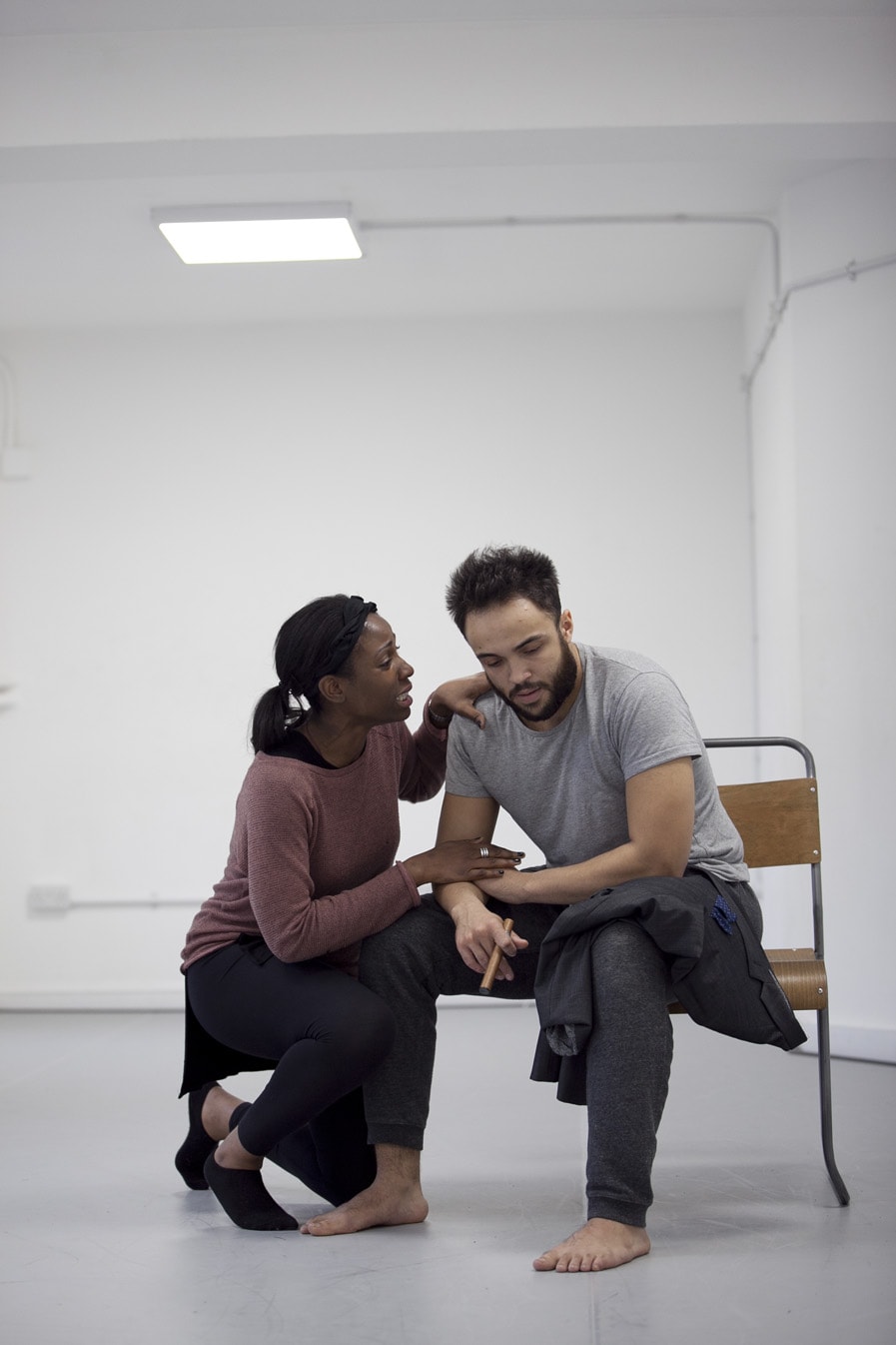
Look into attending different acting for screen, and accent classes whenever possible. This is a great way to add to your actor’s toolkit and to your network of creatives. I started doing this with Fourth Monkey, National Youth Theatre and Monobox to begin with.
Finally, what advice would you share with anyone who is thinking about auditioning for Fourth Monkey, both from your perspective as a graduate and as a member of our audition panel?
Go for it! You have nothing to lose by turning up and seeing if Fourth Monkey could be a great fit for you.
My mum always told me not to fixate on potential problems when going for an opportunity; there is almost always support out there, you just have to look and ask for it.
Do not leave the audition sitting on a burning question, too, you’re looking to see if you and Fourth Monkey would be an ideal match, in the same way that we are as the panel.
Finally, have fun! It’s a free day of training so “be bold and play” play, play.
African Queens: Njinga launches on Netflix on 15 February 2023, featuring Marilyn Nnadebe as Funji – watch here.
Inspired by Marilyn’s work and now thinking about your own actor training journey? Applications to audition for 2023 entry across all undergraduate training courses are open and we are excited to meet the next generation of Fourth Monkey actors and artists! Free of charge for all applicants, our audition days are delivered over the course of a full day to give all applicants a chance to see and experience what makes our drama school training ethos and environment unique and vibrant – learn more and apply via the link below.
Be bold and play!